
2026-09-16 ·
Post-Rain Termite Risks for Tehachapi Residences
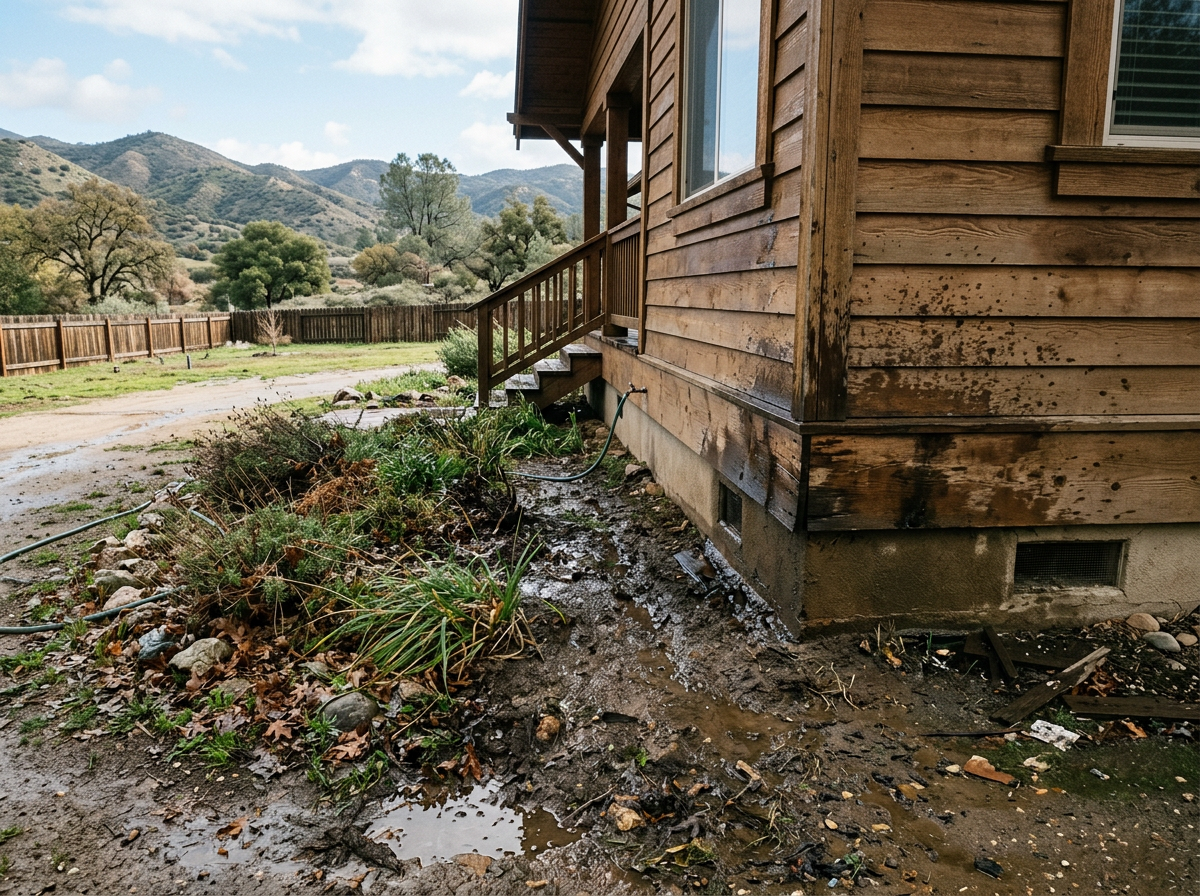
Heavy rainfall in Tehachapi often leads to a noticeable rise in subterranean termite foraging near home foundations within days of storms. Moisture softens soil and allows colonies to extend tunnels upward, particularly around older structures with dirt crawl spaces. Residents should inspect for new mud tubes along stem walls and piers after each significant rain event rather than waiting for annual checks.
Increased Subterranean Termite Activity
Subterranean termites respond quickly to added soil moisture by constructing mud tubes that shield them from dry air while they reach wood. In Tehachapi, even modest storms can trigger this behavior around homes built on native soil with limited drainage. Properties near the foothills see more activity because seasonal occupancy leaves crawl spaces undisturbed for weeks. Checking for fresh tubes along the perimeter and under piers becomes essential once rain stops. Early detection prevents larger colonies from establishing near sill plates and joists. Subterranean termite control addresses these moisture-driven patterns through targeted soil treatments around the foundation.
Monitoring for Mud Tubes and Frass
After rain, look for pencil-thick mud tubes running vertically on concrete or along wood members in crawl spaces. These tubes indicate active subterranean movement and should be broken open to check for live workers inside. Drywood termites produce frass pellets that accumulate in small piles, but post-rain conditions favor subterranean species more than drywood ones in Tehachapi. Inspect every 10 to 14 days following storms, focusing on areas where irrigation or roof runoff keeps soil damp. Document any new tubes with photos and note their location for future reference. Consistent monitoring helps distinguish normal seasonal moisture from ongoing termite pressure.
Impact on Foothill Properties
Tehachapi cabins and older homes often sit on dirt crawl spaces with limited clearance between soil and floor joists. Rainfall increases humidity in these enclosed areas, allowing termites to bridge gaps more easily. Seasonal homes left vacant during wet months provide undisturbed conditions for colony expansion. Wood-to-soil contact of less than 6 inches raises risk because termites need only minimal cover to reach structural members. Properties in surrounding foothills experience similar patterns when runoff concentrates near foundations. Handling termite issues in Tehachapi cabins and outbuildings outlines specific checks for these building types after wet weather.
Recommended Steps After Rainfall
Begin with a visual walk-around of the exterior foundation within 48 hours of rain ending. Remove any debris or vegetation touching the siding that could retain moisture. Schedule a professional inspection if new tubes appear or if frass shows near window frames. Termite inspection services focus on post-storm conditions and map active areas without relying on general assumptions. Maintain at least 6 inches of clearance between soil and any wood elements during routine yard work. Review local drainage around the home to reduce standing water near the structure. Termite treatment options for Tehachapi's dry climate discusses how treatment timing aligns with seasonal moisture changes.