
2026-09-16 ·
Seasonal Termite Activity Patterns Around Tehachapi
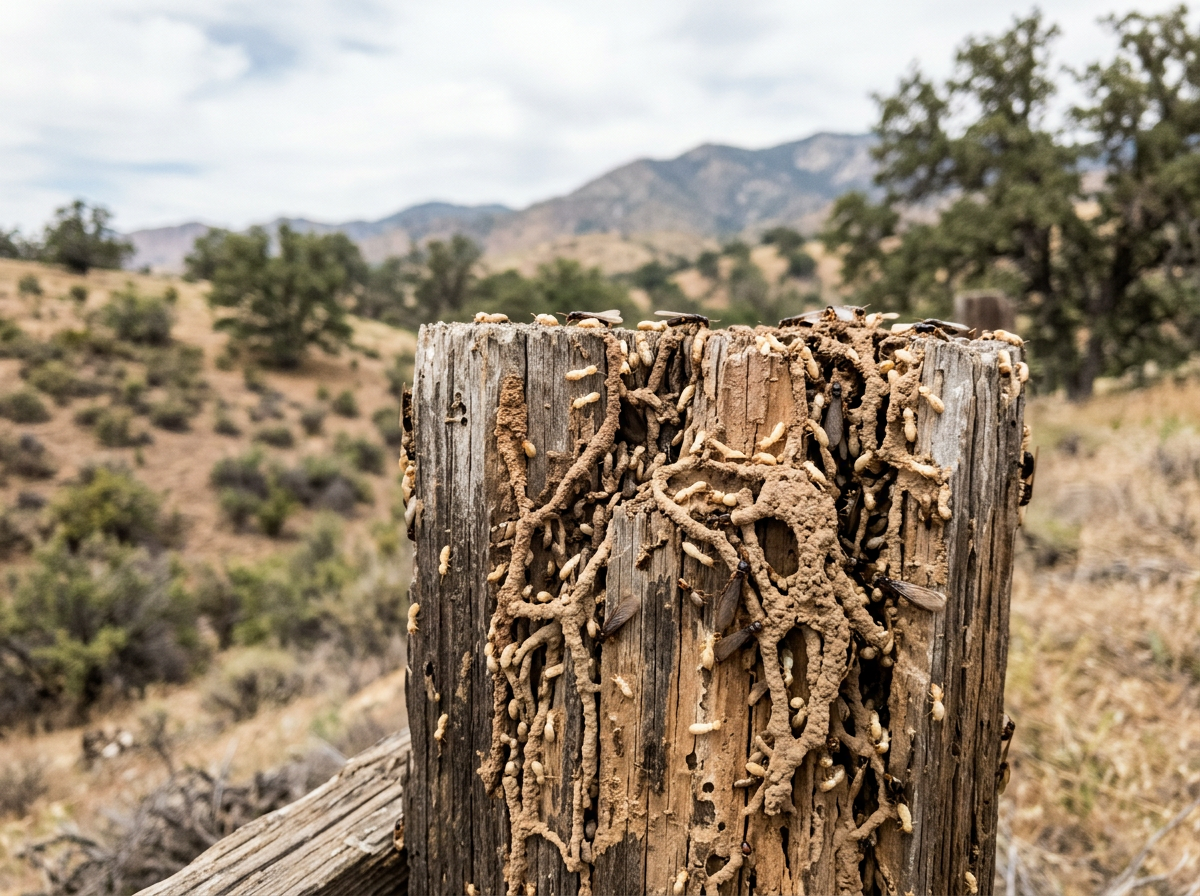
Termite activity around Tehachapi shows clear seasonal peaks driven by local temperature ranges and moisture availability in the high desert and surrounding foothills.
Spring Swarming Patterns
Spring brings the most noticeable termite activity in Tehachapi as temperatures rise above 70 degrees. Drywood termites often begin swarming from March through May when winged reproductives emerge from infested wood in older foothill cabins. These events last only a few days and leave behind discarded wings near windowsills or entry points. Subterranean termites respond more to soil moisture, so any early irrigation or spring rains can trigger mud tube construction along foundations. Homeowners in areas with crawl spaces notice increased frass pellet drop from drywood colonies during this window. Spot treatments applied now can interrupt colony expansion before summer heat sets in. Regular checks of wood-to-soil clearances help identify new activity early.
Summer and Early Fall Activity
Summer heat from June through September drives different behaviors in Tehachapi termite populations. Drywood colonies continue feeding within structural timbers but produce fewer visible signs as frass pellets dry quickly in low humidity. Subterranean activity slows when surface soil dries out, though colonies near irrigated landscaping or leaking pipes remain active. Desert edges around Tehachapi see increased subterranean pressure after any landscape watering that keeps soil damp near foundations. Whole-structure tenting becomes less practical during peak heat due to gas dispersion challenges, making localized treatments or bait station installation more common. Foothill properties with seasonal occupancy often discover damage during summer visits when residents open up unused spaces.
Post-Rain and Winter Shifts
Winter rains, though infrequent, trigger noticeable responses in Tehachapi termite colonies from November through February. Subterranean species extend mud tubes upward after moisture reaches deeper soil layers, sometimes reaching 4 to 6 inches above grade. Drywood activity drops sharply once temperatures fall below 60 degrees, though colonies inside heated structures continue feeding. Post-rain periods create the highest risk for new subterranean entry points along slab edges and crawl space piers. Properties with old-growth timber in dirt crawl spaces require extra attention after storms because moisture lingers longer in shaded areas. Post-rain termite risks for Tehachapi residences outlines specific monitoring steps for these events.
Inspection Timing and Local Wood Factors
Scheduling inspections aligns with these seasonal patterns for best results. Early spring checks catch active swarms before they establish new colonies, while fall inspections identify damage accumulated over summer. Termite inspection visits focus on frass accumulation, mud tube presence, and wood moisture readings in crawl spaces and attic areas. Local wood types influence susceptibility, with older pine and fir timbers common in Tehachapi cabins showing faster damage from drywood feeding. Local wood types and termite susceptibility in Tehachapi explains how grain and resin content affect attack rates in regional structures.
Treatment Approach by Season
Treatment choices shift with observed activity levels. Drywood termite control often uses localized injections or fumigation during spring and fall when colonies are most active. Subterranean termite control relies on soil barriers or bait stations placed 8 to 10 feet apart along perimeters, with installation timed after winter rains subside. Liquid applications require trenching to 6 inches depth where soil conditions allow. Drywood termite control addresses pellet-producing colonies inside walls and beams, while subterranean work targets soil contact points. Properties preparing for sale benefit from inspections scheduled well before escrow deadlines to allow time for any required work.